
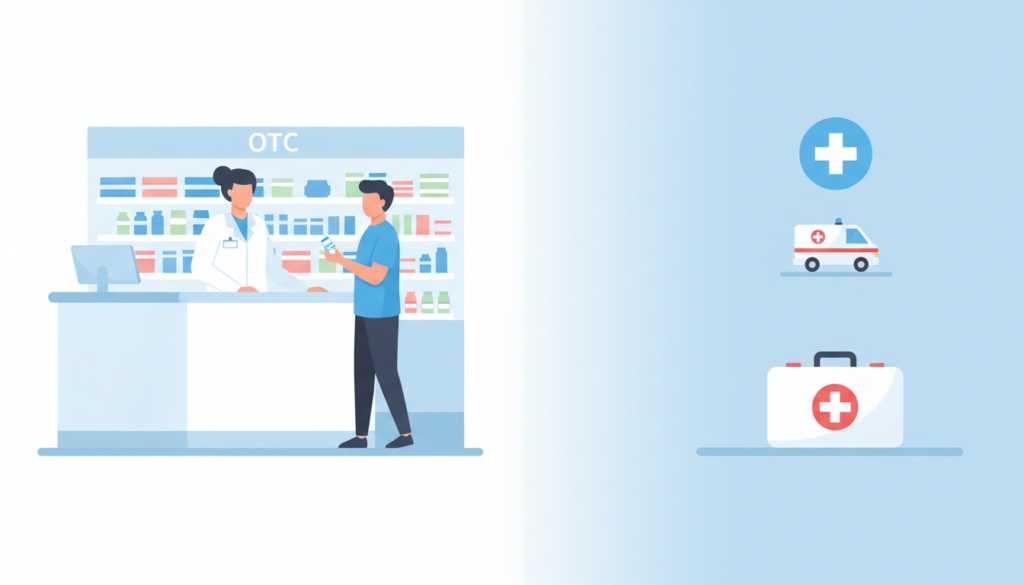
Over-the-counter medicines occupy a unique and sensitive space in healthcare. They are easily accessible yet pharmacologically active products that can significantly affect people’s health, both positively and negatively. Ethical selling of OTC medicines begins with recognizing this dual nature: they are not ordinary consumer goods. An ethical seller—whether a pharmacist, pharmacy assistant, or store clerk—must understand that every recommendation or sale can influence a person’s health outcome, safety, and trust in the healthcare system. This awareness should shape all interactions with customers.
A central ethical principle in selling OTC medicines is respect for patient autonomy. Customers have the right to make their own choices about their health, but those choices must be informed. Ethically, sellers should provide clear, honest, and understandable information about the medicine’s purpose, dosing, expected benefits, possible side effects, and important warnings. They should invite questions, avoid using complex jargon, and never pressure a customer into a purchase. Supporting autonomy means guiding, not manipulating: the aim is to help the customer make the best decision for themselves, not to achieve a sales target.
At the same time, the principle of non-maleficence—“do no harm”—places limits on what is appropriate to sell or recommend. OTC status does not mean a medicine is risk-free. Certain products may be unsuitable for children, pregnant women, older adults, or people with specific medical conditions such as heart disease, diabetes, or asthma. An ethical seller should routinely ask brief, relevant questions (for example, age, current medications, known allergies, pregnancy status, major conditions) before recommending certain OTC medicines. If there is a meaningful risk of harm, the professional duty is to refuse the sale or strongly advise against it, even if the customer insists.
Closely related is the principle of beneficence: acting in the best interest of the customer’s health. Ethically, OTC sellers should not simply offer a product that “might help” but aim to recommend the option with the best balance of benefit and safety for that specific person. This might mean suggesting non-drug measures (rest, hydration, lifestyle changes) or a lower-risk product instead of a stronger, riskier option. It also includes recognizing red-flag symptoms—such as chest pain, severe abdominal pain, difficulty breathing, high fever with confusion, or signs of stroke—and advising immediate medical attention instead of any OTC remedy. The customer’s well-being must always come before convenience or profit.
Honesty and transparency in communication are essential ethical obligations. Marketing language, promotions, packaging, and verbal recommendations must avoid exaggerating benefits or minimizing risks. Claims about “miracle cures,” guaranteed results, or broad benefits unsupported by evidence are unethical and can be dangerous. If evidence for a product’s effectiveness is weak or limited (as with many “herbal” or “natural” remedies), this should be openly acknowledged. Ethically, sellers must also be clear about the difference between scientifically proven medicines and products supported only by tradition or anecdote, allowing customers to weigh that information in their decisions.
Conflict of interest is a major ethical concern in OTC sales, especially where financial incentives, sales targets, or commissions are involved. When bonuses or pressure from management encourage upselling or pushing certain brands, there is a risk that recommendations will prioritize revenue rather than patient welfare. An ethical professional must consciously resist these pressures and base recommendations solely on clinical suitability, quality, and cost-effectiveness for the customer. Transparency about cheaper or generic equivalents, and willingness to recommend them when appropriate, is a clear sign of ethical practice.
Privacy and confidentiality are often overlooked in OTC transactions but are ethically crucial. Many customers feel embarrassed discussing symptoms like sexual health issues, hemorrhoids, skin conditions, or mental health concerns. An ethical seller ensures conversations occur as discreetly as possible, speaks in a respectful tone, and never shares customer health information unnecessarily with others. This includes avoiding loud discussions in crowded spaces and not disclosing details to colleagues or other customers without explicit consent. Respecting privacy fosters trust, which in turn encourages customers to share accurate information that is vital for safe recommendations.
Responsible stewardship of medicines and public health is another ethical dimension. OTC sellers play a role in preventing antibiotic misuse (where relevant), discouraging overuse of painkillers, and recognizing patterns of potential abuse or dependence—for example, repeated purchases of codeine-containing products or certain cough syrups. Ethically, when misuse is suspected, the seller should engage the customer in a non-judgmental but honest conversation, set limits on sales where allowed by law, and refer the individual to appropriate medical or addiction services if necessary. Protecting individuals and the broader community from harm outweighs any single transaction.
Education and competence underpin all other ethical duties. Those who sell OTC medicines must maintain up-to-date knowledge of common conditions, available products, dosage guidelines, interactions, contraindications, and safety alerts. This means ongoing training, seeking reliable sources of information, and recognizing one’s limits. When a question or situation exceeds their expertise, the ethical response is to say “I’m not sure” and refer the customer to a pharmacist or physician, rather than guessing or providing incomplete or incorrect information. Humility and willingness to refer are signs of professional integrity, not weakness.
Finally, ethical selling of OTC medicines requires a culture and systems that support ethical behavior. Pharmacies and retail outlets should set clear policies prioritizing patient safety over sales numbers, design shelves and signage that do not mislead, and establish procedures for handling high-risk products and red-flag symptoms. Leaders should model ethical decision-making and protect staff who choose to refuse unsafe sales or raise concerns. In this way, ethics is not only an individual responsibility but also an organizational commitment—to treat OTC medicines as powerful tools for health, to be handled with care, respect, and a deep sense of moral responsibility.